I love the cottonwood tree. Everything about it, including the nuisances of cotton and pollen (not the same thing,) the soft wood that’s not great for stoves and fireplaces, the tendency to “self prune” and drop heavy branches onto cars, roofs, and fences.
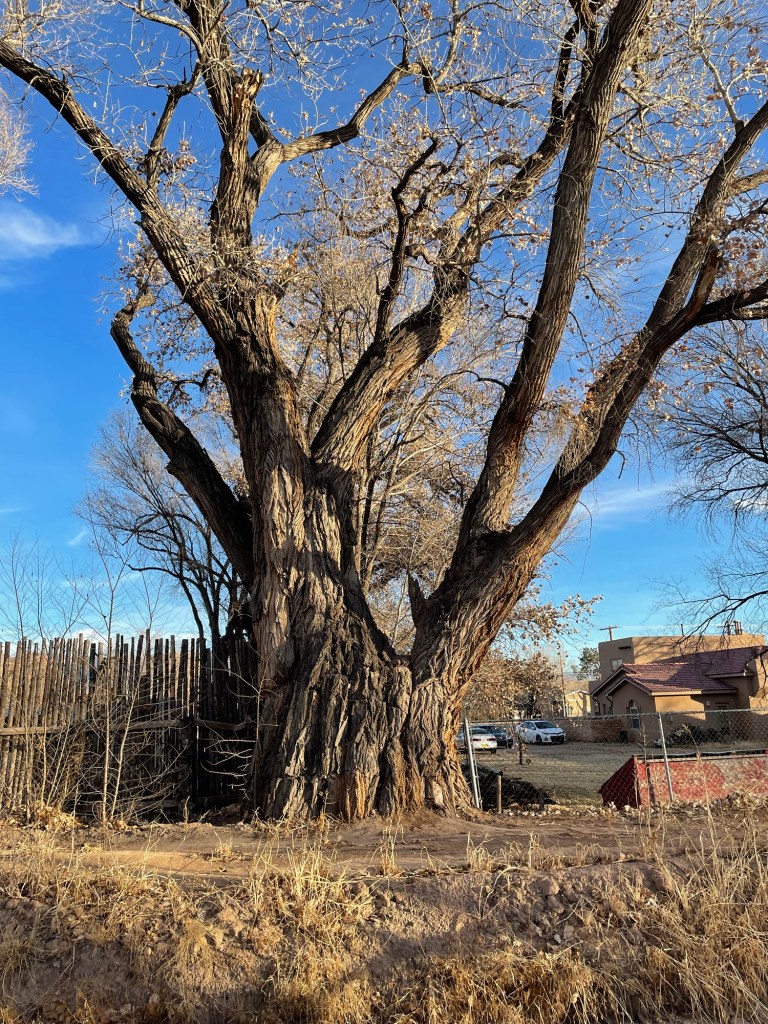
I still love it because “they aren’t making trees like that anymore.” We’re losing 80 foot tall trees and what goes with them. I’ll miss their shade the most.
Where I live, in the Middle Rio Grande valley, the trees are relative newcomers. I understand much of the bosque (forest) was cut down long ago. Somehow this is supposed to comfort me about their loss now. It doesn’t. Attempting to describe their deaths as a natural part of forest aging and decline ignores temperature extremes that stress the trees, among other living things.
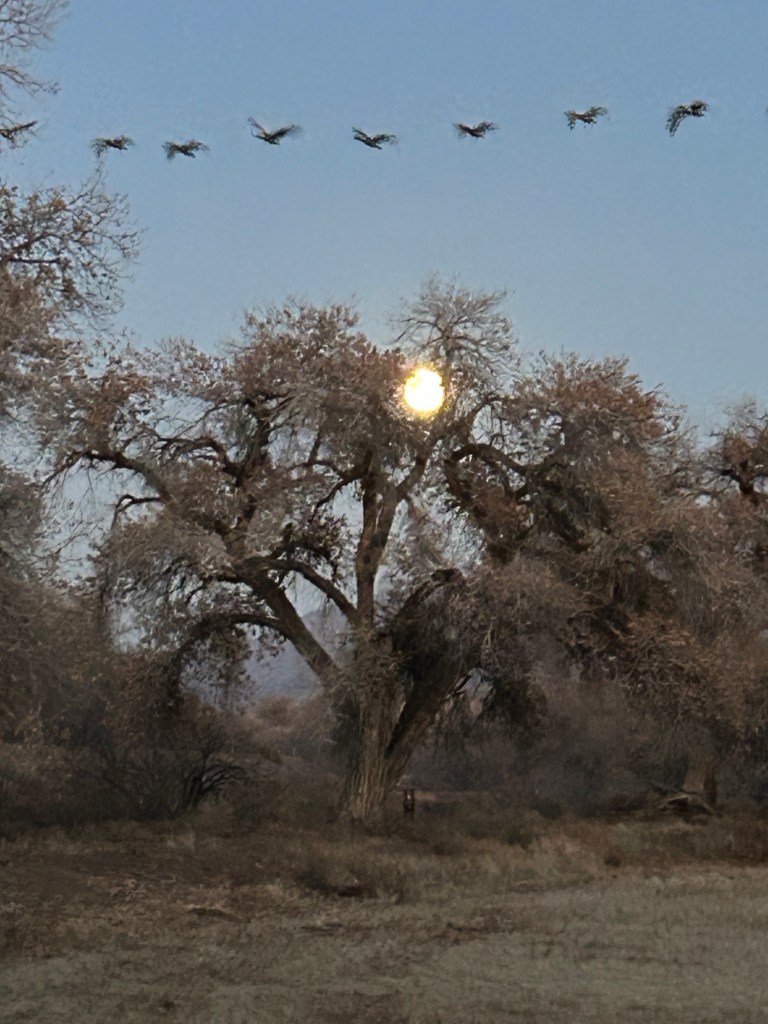
The particular species I admire and love, is the Rio Grande Cottonwood, specifically Populus Deltoides wislizeni. It can grow 80 feet tall and is distinguished from Populus fremontii by ten “teeth” on each side of the leaf.
This subspecies was named for a German American doctor, botanist and explorer, Frederick Adolf Wislizenus. He must have been quite a character, not unlike the tree. He fled Germany after his involvement with an attempt to overthrow the German monarchy and ended up in St. Louis, bored. For amusement and without much preparation he joined the Rocky Mountain Fur Company on a journey to the Northwest in 1839. When the fur traders turned back, he joined a band of Native Americans and went on to cross the Rocky Mountains with them. He wrote an account of his travels that was published in German in 1840.
Back in St Louis he continued his medical practice and worked with George Engelmann, for whom the spruce tree was later named, at the Western Academy of Natural Sciences. But apparently he got bored again and joined a merchant expedition to Santa Fe in 1846.
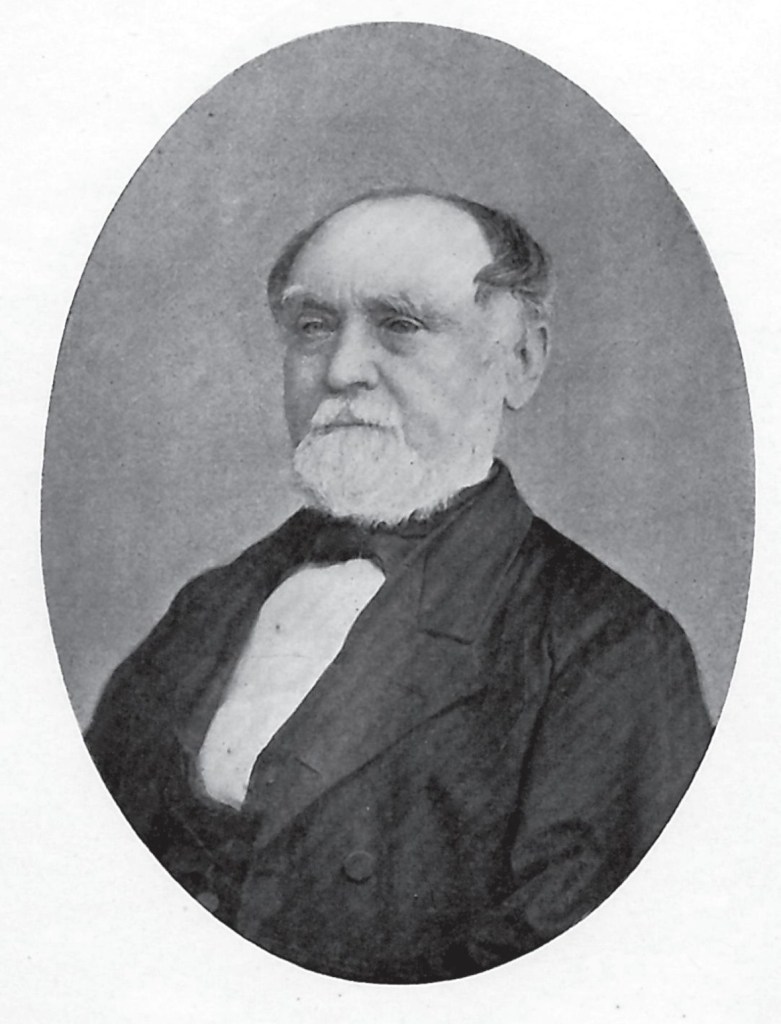
Despite the onset of the Mexican-American War he traveled south into Chihuahua and was taken prisoner. He spent months in the country studying and collecting plants. After he was freed and returned to St Louis he published another report, Memoir of a Tour to Northern Mexico 1847-1848. In it he describes 180 plants, many previously “unknown.”
Engelmann studied the plants he collected and as thanks, named some species for Wislizenus, including our tree, a shrub, and the long-nosed leopard lizard, Gambelia wislizenii.
The great New Mexico writer and historian, Marc Simmons (1937-2023) noted that soldiers regularly mangled unfamiliar words and names. They changed “frijoles” to “freeholders” and they called the German doctor “Whistling Jesus.”

 Cocoposts
Leave a reply to sayervrnca Cancel reply